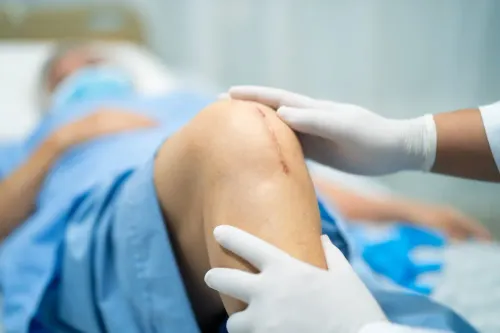
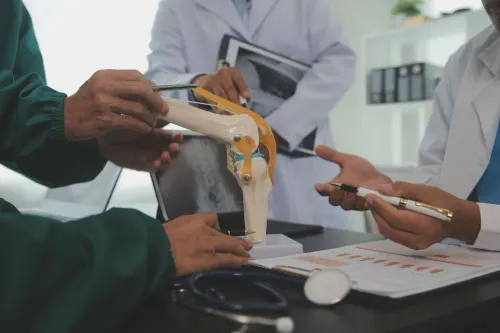
A fracture can happen without warning—during a fall, a road accident, a sports activity, or even a simple misstep. The first hour after the injury is often the most important because the steps taken immediately can influence recovery and help prevent complications. Understanding how emergency fracture care works enables patients and their families to respond calmly and appropriately.
At Dr Palaskar Hospital, emergency orthopaedic services focus on prompt assessment, accurate diagnosis, and timely treatment so patients receive the care they need as quickly as possible.
How to Recognize a Possible Fracture
Not every injury causes a broken bone, but certain signs strongly suggest a fracture.
Common symptoms include:
- Sudden severe pain
- Swelling around the injured area
- Difficulty moving the limb
- Visible deformity
- Bruising
- Tenderness when touched
- Inability to bear weight
- A snapping or cracking sensation at the time of injury
Even when symptoms appear mild, medical evaluation is important because some fractures are not immediately obvious.
Immediate Steps to Take in Vasai-Virar
If someone experiences a suspected fracture in Vasai-Virar, taking the right first-aid measures before reaching the hospital can reduce additional injury.
Keep the Injured Area Still
Avoid unnecessary movement of the affected limb. Movement may worsen the fracture or damage nearby muscles, nerves, or blood vessels.
Apply a Cold Pack
A cold compress wrapped in cloth can help reduce swelling and discomfort. Never place ice directly on the skin.
Avoid Putting Weight on the Injury
If the injury affects the leg, ankle, or foot, avoid walking until medical assessment is completed.
Control Bleeding if Present
For open fractures where the bone may have pierced the skin, gently cover the wound with a clean dressing without attempting to push the bone back into place.
Seek Immediate Medical Attention
Prompt evaluation helps determine the severity of the injury and the most appropriate treatment.
How Doctors Diagnose Fractures
After arriving at the hospital, the orthopaedic team typically performs:
- Medical history review
- Physical examination
- Assessment of circulation and nerve function
- Digital X-Ray
- Additional imaging if required for complex injuries
This process allows the doctor to classify the fracture and choose the appropriate treatment.
Common Types of Fractures
Fractures vary in severity and treatment requirements.
Examples include:
- Simple (closed) fractures
- Open fractures
- Stress fractures
- Compression fractures
- Hairline fractures
- Greenstick fractures in children
- Comminuted fractures involving multiple bone fragments
Each type requires a different management approach.
Treatment Options
Depending on the injury, treatment may involve:
- Immobilization with a cast or splint
- Bracing
- Pain management
- Fracture reduction to align the bone
- Surgical fixation using plates, screws, or rods when necessary
- Physiotherapy during recovery
The treatment plan depends on the location and complexity of the fracture.
Supporting Recovery After a Fracture
Healing continues well beyond the initial treatment.
Patients are often advised to:
- Follow weight-bearing instructions carefully
- Attend follow-up appointments
- Complete physiotherapy if prescribed
- Maintain adequate calcium and Vitamin D intake
- Avoid smoking, as it can delay bone healing
- Resume physical activity gradually
Following these recommendations helps restore strength and mobility.
Acting Quickly Makes a Difference
Bone injuries should never be ignored or treated solely with home remedies. Early diagnosis and proper emergency fracture care reduce the risk of complications such as poor bone alignment, delayed healing, and long-term stiffness.
Whether the injury results from an accident, sports activity, or an everyday fall, receiving timely orthopaedic assessment is essential. For residents of Vasai-Virar, access to prompt fracture evaluation, modern diagnostic facilities, and structured rehabilitation helps support a safer recovery and a quicker return to everyday life.
Keywords